What Is Ontological Coaching? A Plain-English Guide
If you've searched "what is ontological coaching" and landed on a page about Heidegger, language theory, or "the Concerned Observer," you've probably closed the tab feeling more confused than when you opened it. So let's start again, in plain language.
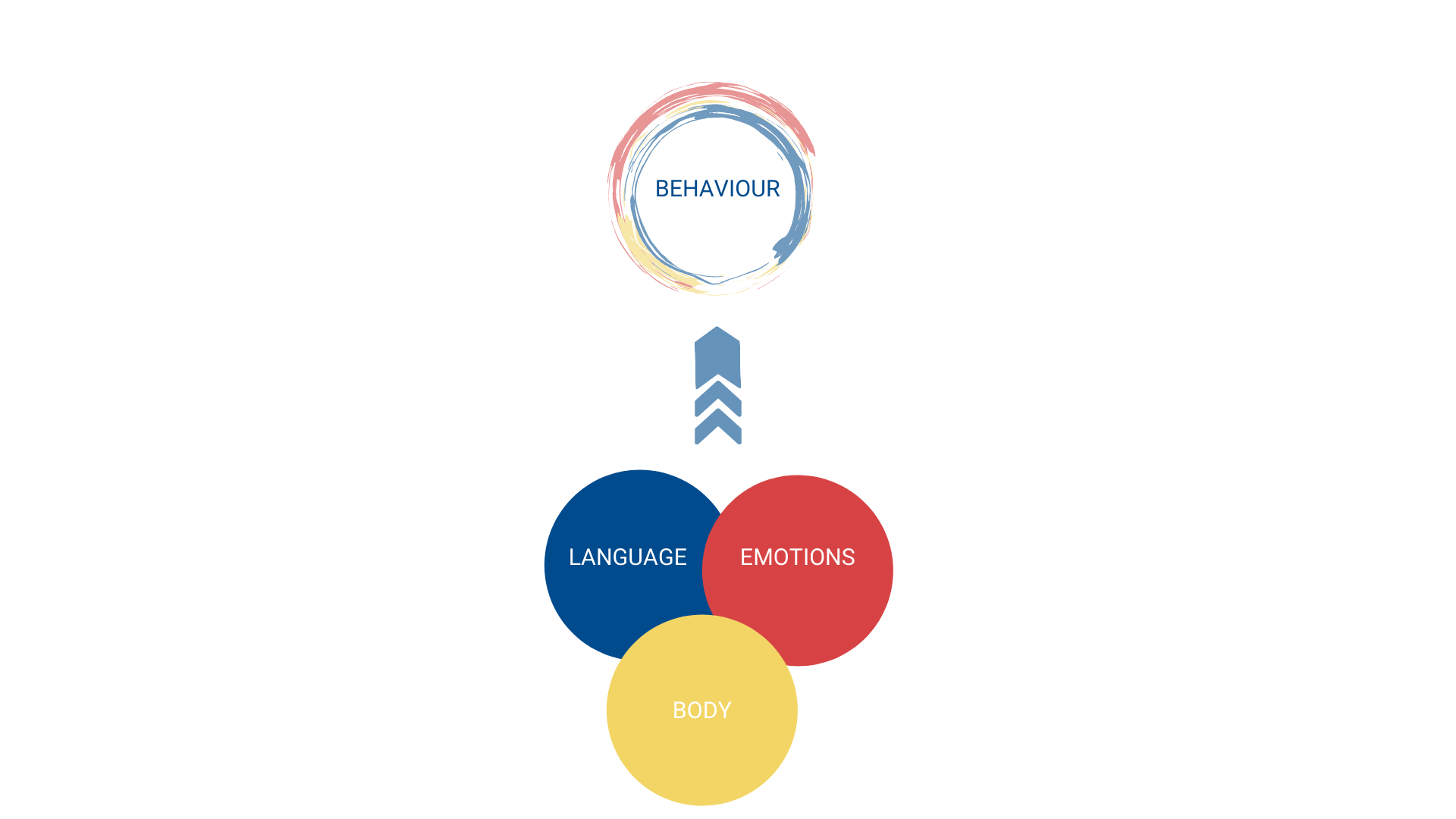
If you're simply trying to pin down what ontological coaching actually means, here's the short version: it's coaching that works with who you're being — not just what you're doing. Most coaching and advice focuses on behaviour: do this, try that, fix this habit. Ontological coaching goes one layer deeper. It looks at the lens you're seeing your life through — your unspoken beliefs, your default reactions, the story you've been telling yourself for years without questioning it — because that lens shapes everything you do, which includes how you think, speak and see the world around you.
The word comes from "ontology," the study of being. It sounds academic, but the idea is simple: how you see yourself and the world around you determines what feels possible for you and how you behave. Change the lens, and new possibilities open up. New behaviour usually follows — far more easily than if you'd tried to force a new habit on top of an old way of being.
A simple way to think about it
Most of us assume our interpretation of a situation is the situation. Ontological coaching gently challenges that. It asks: is this the only way to see this? What if the story you've been carrying — "I'm not a leader," "conflict is dangerous," "I have to earn rest" — isn't a true fact, just one interpretation you picked up somewhere along the way?
That question alone can be enormously freeing. It doesn't mean your feelings or experiences aren't real. It means you're not as boxed in by them as it might feel.
What this actually looks like in a session
There's no script, and it's not therapy — we're not excavating the past for its own sake. It's a conversation, grounded in three things ontological coaches pay close attention to:
Language — the words you use to describe yourself and your situation, and how they create your reality, not just describe it.
Emotion — moods and feelings carry information about what matters to you, they’re not just noise to manage.
The body — how you hold yourself physically is connected to how you think about yourself, your place in the worlds and what you believe is possible.
Through honest, curious conversation, we start to notice the patterns running underneath the surface — and once you can see them, you have a choice you didn't have before.
Why I work this way
I trained in this methodology through the Newfield Institute's 18-month Certified Ontological Coaching and Leadership Programme, and it remains one of the most effective approaches I know for creating change that actually lasts. This is because surface-level fixes rarely hold when the underlying way of seeing stays the same. Shift that, and the change tends to take care of itself.
Is it right for you?
Ontological coaching tends to resonate if you've already tried the practical, tips-and-tools route and feel like something deeper is still unaddressed — if you keep bumping into the same pattern in different forms, whether that's in leadership, relationships, or how you treat yourself.
If that sounds familiar, you don't need to come in with the theory worked out. That's my job. You just need to be willing to look honestly at how you're seeing things — and stay curious about what else might be possible.
Curious whether this approach is the right fit for you? Book a complimentary chemistry session and we can talk it through — no obligation, just a conversation.