Facts vs Opinions: A Conversation That Could Change How You See Everything
Updated May 2026
One of the most powerful distinctions I work with in coaching — and in my own life — is the difference between facts and opinions. In ontological coaching, we call them assertions and assessments, and understanding the difference between the two can be genuinely life-changing.
I had the pleasure of being a guest on the Movement Life Coaching channel, where I chatted with Dave Nel about this distinction — why it matters, how it shows up in coaching, and why so many of us confuse the two without realising it.
Watch the Conversation
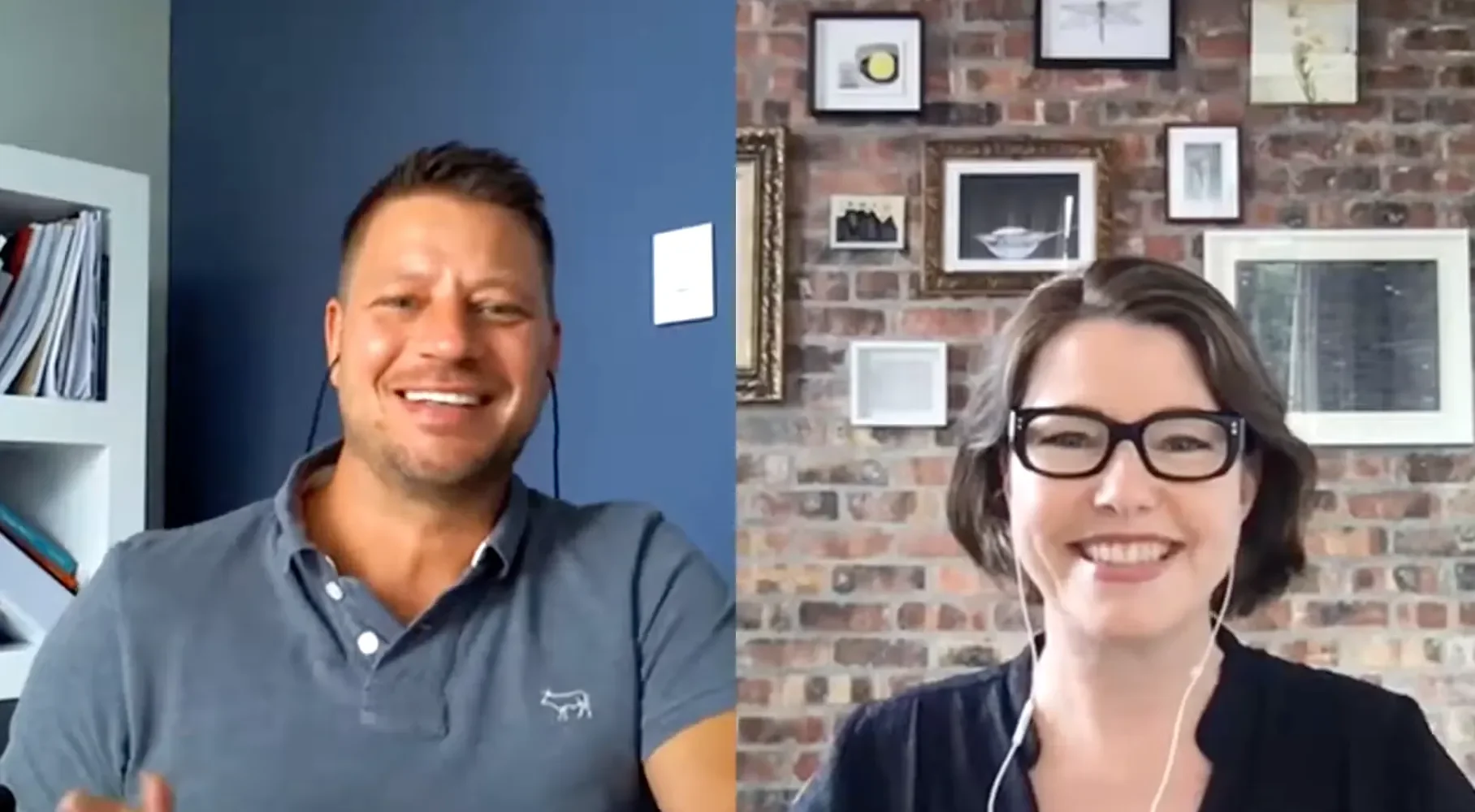
What We Cover in This Conversation
In just six minutes, Dave and I explore:
What assertions and assessments actually are — and how ontological coaching defines them
Why we confuse opinions with facts — and how this limits us
Where our stories come from — families, cultures, teachers, people in authority
How a coach spots an assessment being held as fact — and what to do with it
Why being human means living in stories — and why that's not a problem, as long as we can see them.
The Key Distinction
An assertion is a fact — something a community of two or more people can agree on, and that can be measured or verified. "This is a pencil" is an assertion.
An assessment is an opinion — a reflection of the person who holds it, grounded in their own standards, values and experience. "This is a beautiful pencil" is an assessment. So is "This is an ugly pencil." Both say everything about the person holding the view — and nothing about the pencil.
The problem arises when we treat our assessments as if they were assertions. When we mistake our opinions — about ourselves, about others, about what's possible — for facts, we close off choices we don't even know we're closing off.
Why This Matters
We are all, as I said to Dave, like fish swimming in water. The stories we carry — about who we are, what we're capable of, how the world works — are so familiar that we don't see them as stories at all. We see them as reality.
These stories come from somewhere. From our families, our cultures, our teachers, the people in positions of authority in our lives. We absorbed them, often without question, because we wanted to belong. And over time they became the lens through which we see everything.
When a client suddenly sees a story for what it is — not a fact, but an assessment they've been carrying — it can be genuinely revelatory. It opens up space. It creates choice where before there seemed to be none.
This is one of my favourite topics to explore in coaching — and one of the areas where I consistently see clients have the biggest shifts.
Want to Go Deeper?
If this conversation resonated, you might also enjoy my written post on the same topic: Reclaim Your Authority: Learn to Decide for Yourself — which explores how to spot assessments in your own thinking and use that awareness to reclaim your power to choose.
If you'd like to explore how coaching could help you see the stories that might be shaping your life — and open up new choices — I'd love to have a conversation.
Find out more about life coaching here or leadership coaching here — or simply get in touch for a complimentary chemistry session.